
Calcium Nitrate for Plants: What It Does and How to Use It
Why calcium nitrate anchors nearly every hydroponic program, why it always gets its own tank, and why calcium chloride is a poor swap.
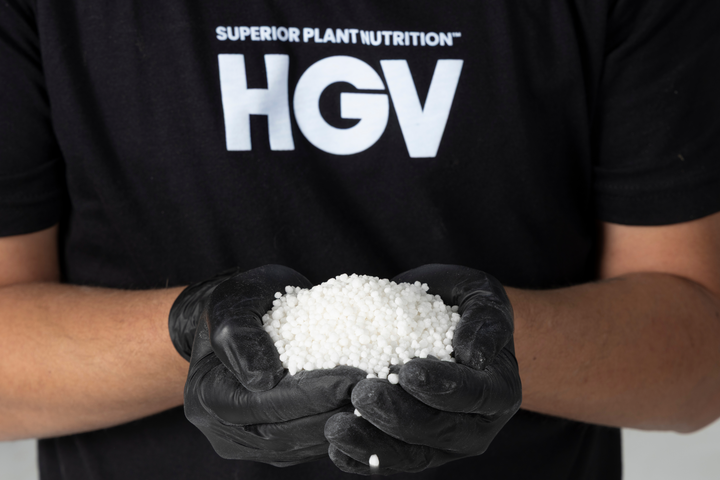
Calcium nitrate is a water-soluble fertilizer that supplies two nutrients at once: calcium for cell walls and new growth, and nitrate nitrogen that plants can take up immediately. Fertilizer-grade calcium nitrate is about 15.5 percent nitrogen and 19 percent calcium. It is the standard calcium source in hydroponic and fertigation programs.
What does calcium nitrate do for plants?
- Calcium builds structure. It is part of every cell wall and is involved in signaling inside the cell. Plants cannot move calcium from old tissue to new tissue, so they need a steady supply in the water for as long as they are growing.
- Nitrate nitrogen fuels growth. Nitrogen drives chlorophyll production and amino acid synthesis. In nitrate form it is available right away, with no need for soil microbes to convert it.
Because calcium is immobile in the plant, a shortage shows up first in the newest growth: distorted young leaves, weak stems and dead spots at the growing tips. In fruiting crops such as tomatoes and peppers it appears as blossom end rot.
Why is calcium nitrate always a separate part?
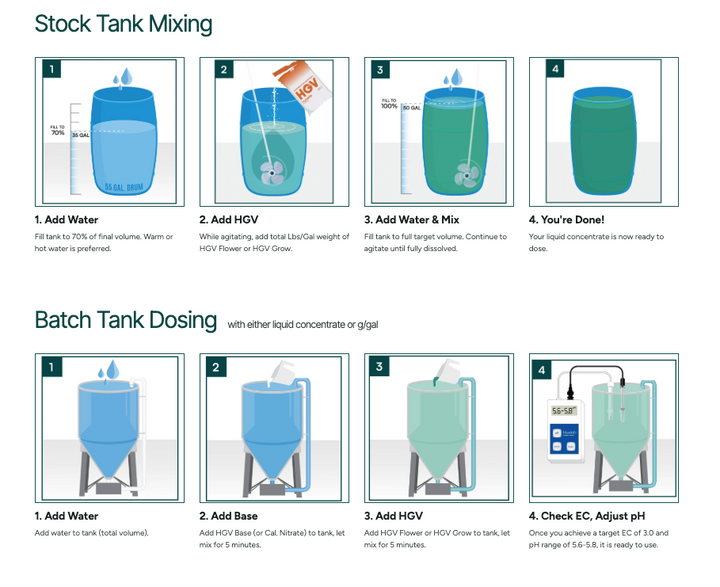
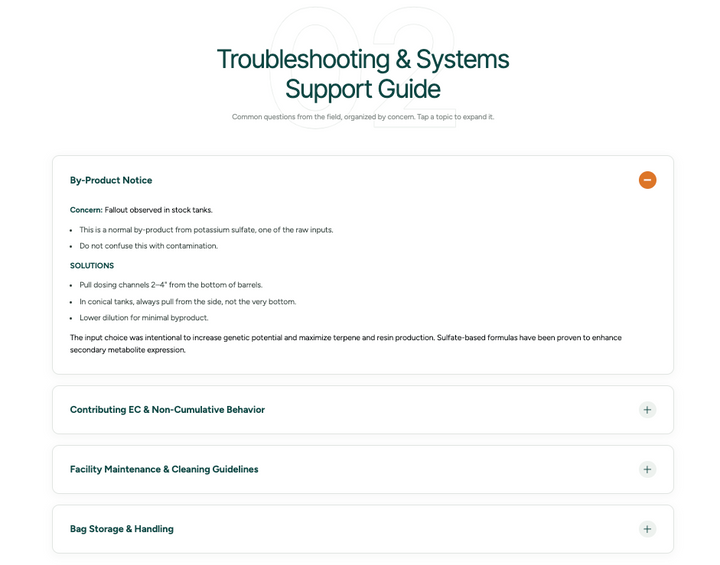
Calcium reacts with phosphates and sulfates when they are concentrated together and forms an insoluble solid. That is why hydroponic programs keep the calcium part in its own bag, bottle or stock tank. The parts are combined only after dilution in the reservoir, where the reaction does not happen.
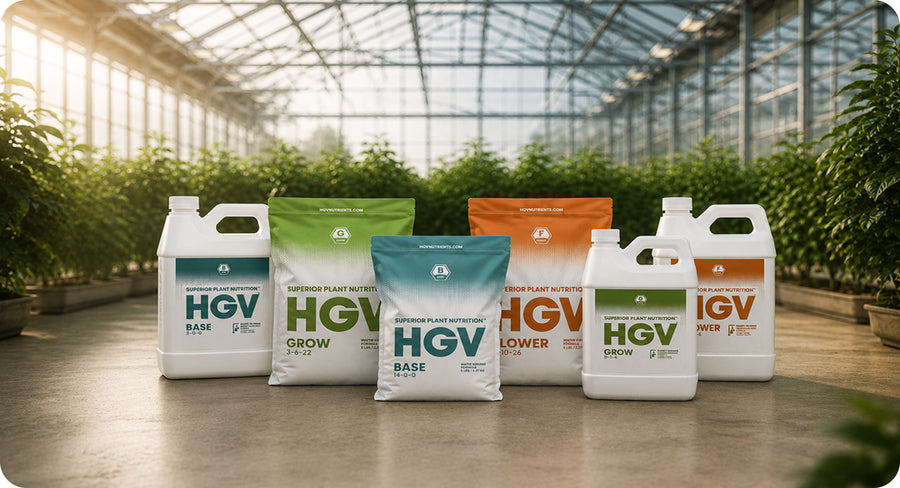
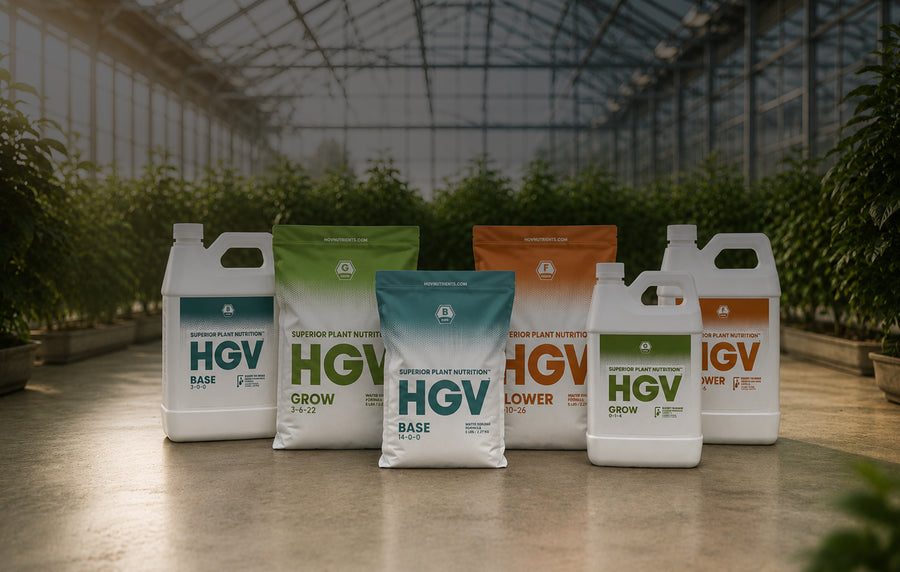
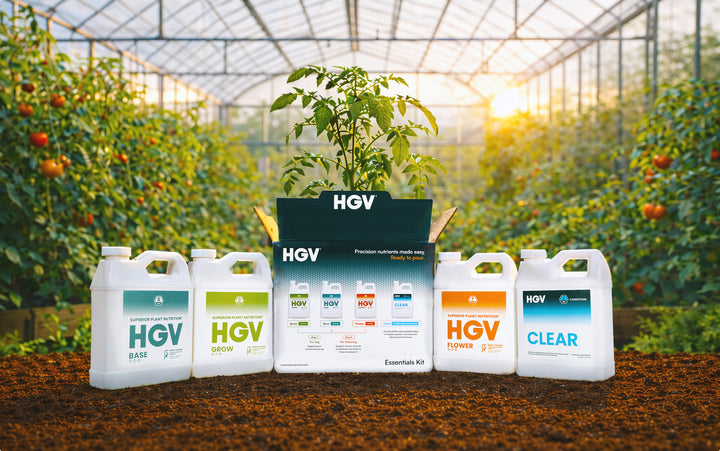
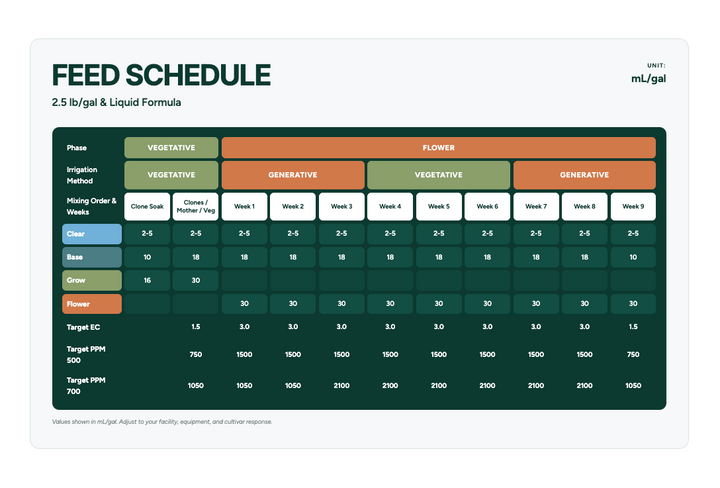
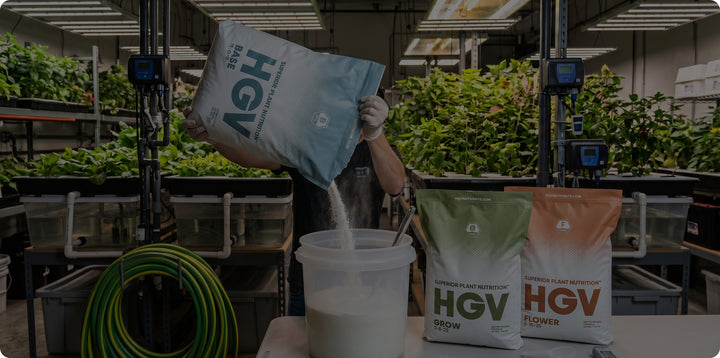
In the HGV program the calcium and nitrogen part is Base. It runs through the entire cycle and pairs with Grow in veg and Flower in bloom. Base is mixed first, given five minutes to dissolve, and never shares a concentrate tank with the other part. The full procedure is in how to mix a hydroponic nutrient solution.
How much do you use?
The dose depends on the rest of your recipe, since the second part is formulated to balance it. For HGV Base, the published rates in grams per gallon are:
| Target EC of the finished feed | Base per gallon |
|---|---|
| 1.0 | 1.4 g |
| 1.5 | 2.1 g |
| 2.0 | 2.8 g |
| 2.5 | 3.5 g |
| 3.0 | 4.2 g |
Those rates assume Base is paired with Grow or Flower at the matching rate. See the mixing and application guide for the complete tables.
Calcium nitrate or calcium chloride?
Growers sometimes ask about swapping in calcium chloride to supply calcium without nitrogen. The numbers argue against it.
| Calcium nitrate | Calcium chloride | |
|---|---|---|
| Calcium | 19% | 27% |
| Nitrogen | 15.5% | 0% |
| Chloride | 0% | 66% |
Replacing just 10 percent of the calcium nitrate in a nutrient solution with calcium chloride lowers nitrogen by about 17 ppm and adds about 74 ppm of chloride. That is a small nitrogen reduction bought with a meaningful chloride load. Replacing all of it removes nitrogen entirely and pushes chloride to around 530 ppm, a level that can harm plants.
Does your water already contain calcium?
Often, yes. Hard water can carry significant calcium, and in some cases it can reduce input costs. Very soft or reverse osmosis water carries almost none. A water analysis tells you where you stand. RO is only necessary when source water is high in heavy metals or chloride, and HGV supplies enough calcium for healthy growth whether you use RO, well or municipal water. If you are unsure, water and plant testing will give you a lab report to work from.
Frequently asked questions
Is calcium nitrate good for all plants?
It is used on nearly every crop grown with soluble fertilizer, from leafy greens and tomatoes to cannabis, because all plants need both calcium and nitrogen. The rate, not the product, is what changes between crops.
Can you mix calcium nitrate with other fertilizers?
In a diluted reservoir, yes. In a concentrate, no. Keep it away from concentrated phosphates and sulfates, including Epsom salt, or it will precipitate.
Does calcium nitrate fix blossom end rot?
It supplies the calcium the plant needs, but blossom end rot is often a delivery problem. Uneven watering, high humidity or root stress can keep calcium from reaching the fruit even when plenty is available. Fix the watering and environment along with the feed.
What is the NPK of calcium nitrate?
Fertilizer-grade calcium nitrate is typically labeled 15.5-0-0 with 19 percent calcium. Blended calcium and nitrogen parts differ slightly. HGV Dry Base is 14-0-0.
Is too much nitrogen from calcium nitrate a problem in flower?
It can be if the base part is overdosed. Symptoms blamed on nitrogen are frequently something else, though: calcium deficiency, potassium excess or overwatering. A tissue analysis is the reliable way to confirm before changing the recipe.