


Stop Guessing What
Your Plants Need
Lab analysis of your water, media, and tissue — plus a one-on-one consultation that turns the numbers into a plan you can run tomorrow.
Request A KitTalk with an AgronomistLab Tested. Grower Interpreted. Action Ready.
Validated Lab Analysis
EPA-compliant testing methods ensure down-to-the-PPB precision for heavy metals, nutrient ratios, and biological pressures.
HGV Agronomist Consultation
No complex graphs without context. Every report comes with a 15-minute phone call with an experienced commercial grower.
Clear Corrective Actions
Receive a custom fertilizer recipe adjustment and pH guidance tailored strictly to your room variables.
Your Feed Chart Was Written For
Someone Else's Water
Off-the-shelf nutrient programs assume perfect baseline water. But source alkalinity, bicarbonate loads, and substrate variations change how nutrients actually interact in your root zone.
Generic Feed Schedule
Standard chart guidelines written for synthetic laboratory baselines.
- Baseline Water EC 0.0 mS (Distilled)
- Calcium Availability Standard Assumption
- pH Drift Tolerance Narrow Window
- Runoff Lockout Risk High Risk
Your Actual Grow
Formulated precisely against your tap water chemistry and substrate biology.
- Baseline Water EC Adjusted for Tap (0.4 mS)
- Calcium Availability Optimized Ratio
- pH Drift Tolerance Buffered Formula
- Runoff Lockout Risk Actively Avoided
Find The Variable That's Holding
The Room Back
Select from our target laboratory panels designed by agronomists to diagnose specific structural challenges in high-performance production facilities.
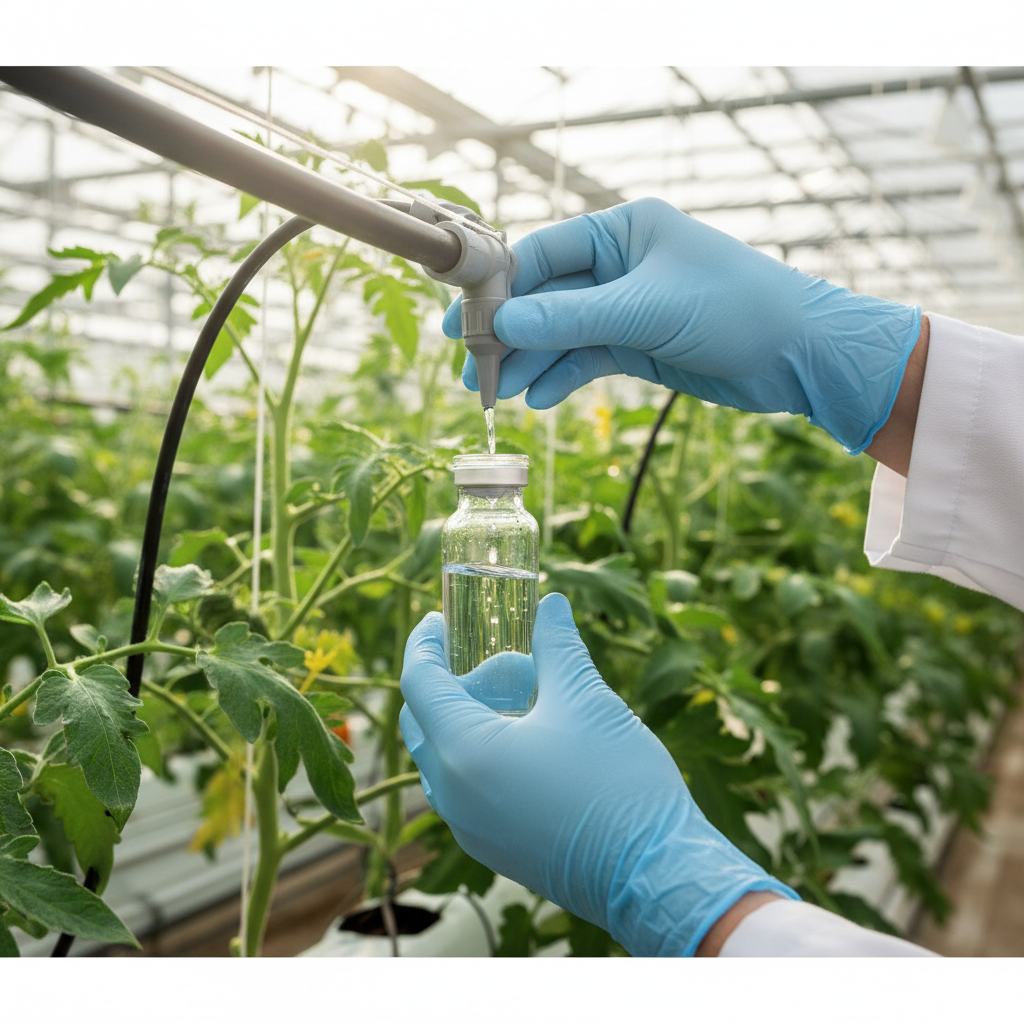
Water Testing
Comprehensive analysis of raw baseline source water including heavy metals, total alkalinity, hardness minerals, and bicarbonates.
Explore Test Specifications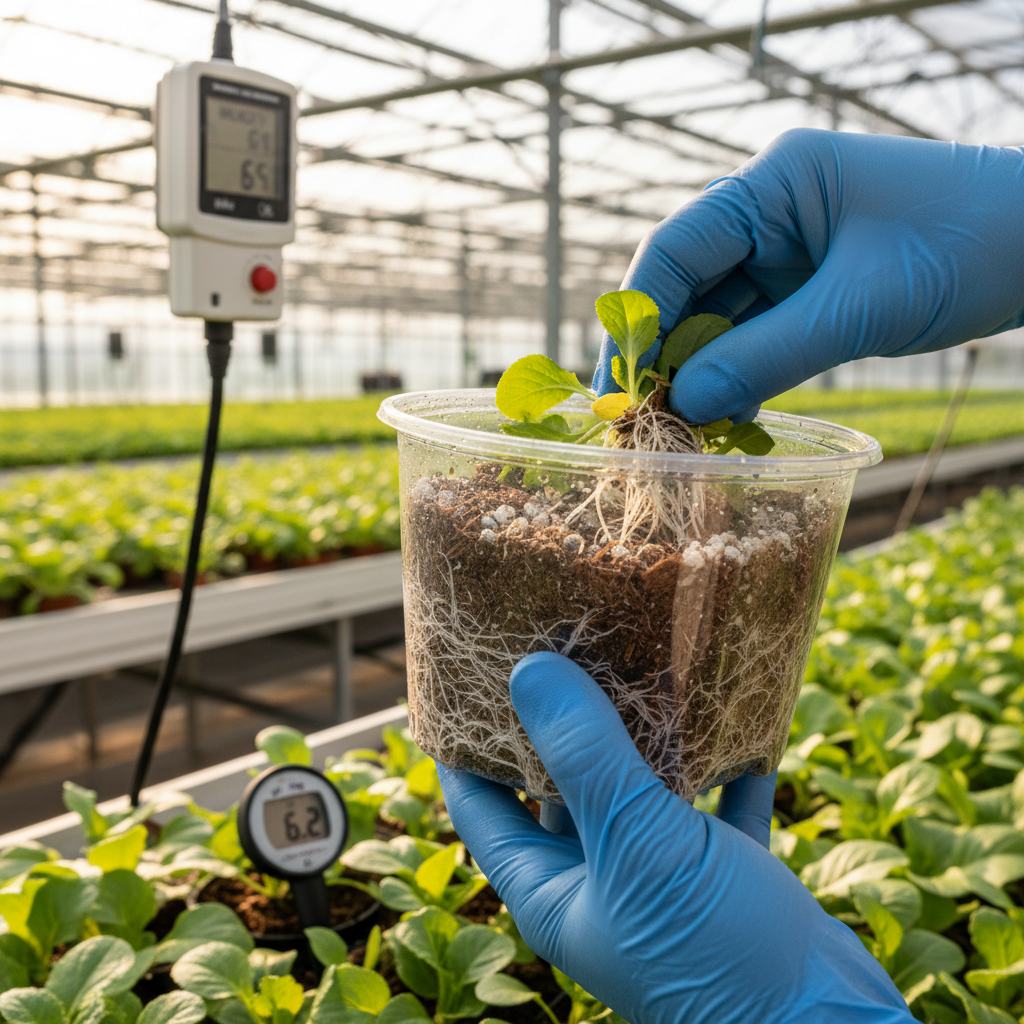
Soil & Media Testing
Diagnose media lockouts, sodium accumulation, and EC curves in coco coir, rockwool, or peat-based growing systems.
Explore Test Specifications
Plant & Tissue Testing
Leaf sap and tissue testing tells you exactly what the plant is absorbing vs. what is sitting locked up in the media.
Explore Test Specifications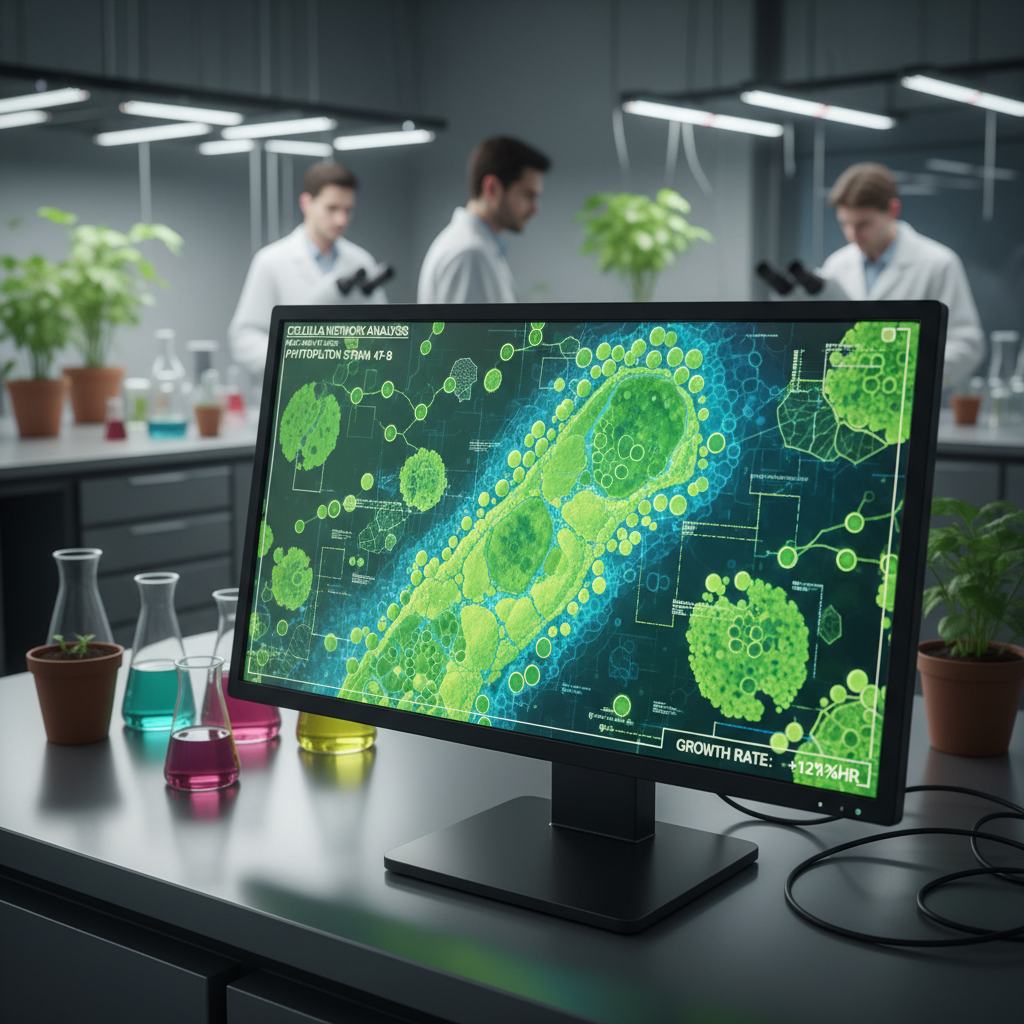
Pathogen Screening
Biological screening utilizing qPCR to detect early-stage root rot, pythium, hop latent viroid (HLVd), and powdery mildew before symptoms manifest.
Explore Test Specifications
Before a New Run
Test source water and freshly blended substrates to verify nutrient starting values and exclude biological pathogens before planting.
After a Change
Run tissue and media panels 7 days after changing environmental variables, nutrient lines, or genetics to verify plant adjustment.
When Growth Drifts
Avoid visual diagnostic guesswork. Test tissue and run-off at the first sign of leaf tip curl, chlorosis, or slow transpiration.
At Key Crop Stages
Establish a baseline profile at transition to flower, peak swell, and flush stages to compile custom seasonal data playbooks.
From Sample To Action Plan
A streamlined diagnostic pathway engineered to deliver clarity directly to your mixing tank.
-
01
Request Your Test
Select and order your specialized testing kit based on water source, substrate material, or plant tissue type.
-
02
Collect and Ship
Follow our simple collection protocols. Place samples in the secure vials and drop them in the pre-paid express box.
-
03
Lab Analysis
Arvum Plant Labs processes your samples with advanced mass spectrometry, returning complete raw diagnostics in 48 hours.
-
04
Review Your Action Plan
Connect with an HGV agronomist to interpret findings and get precise adjustments written directly for your room.
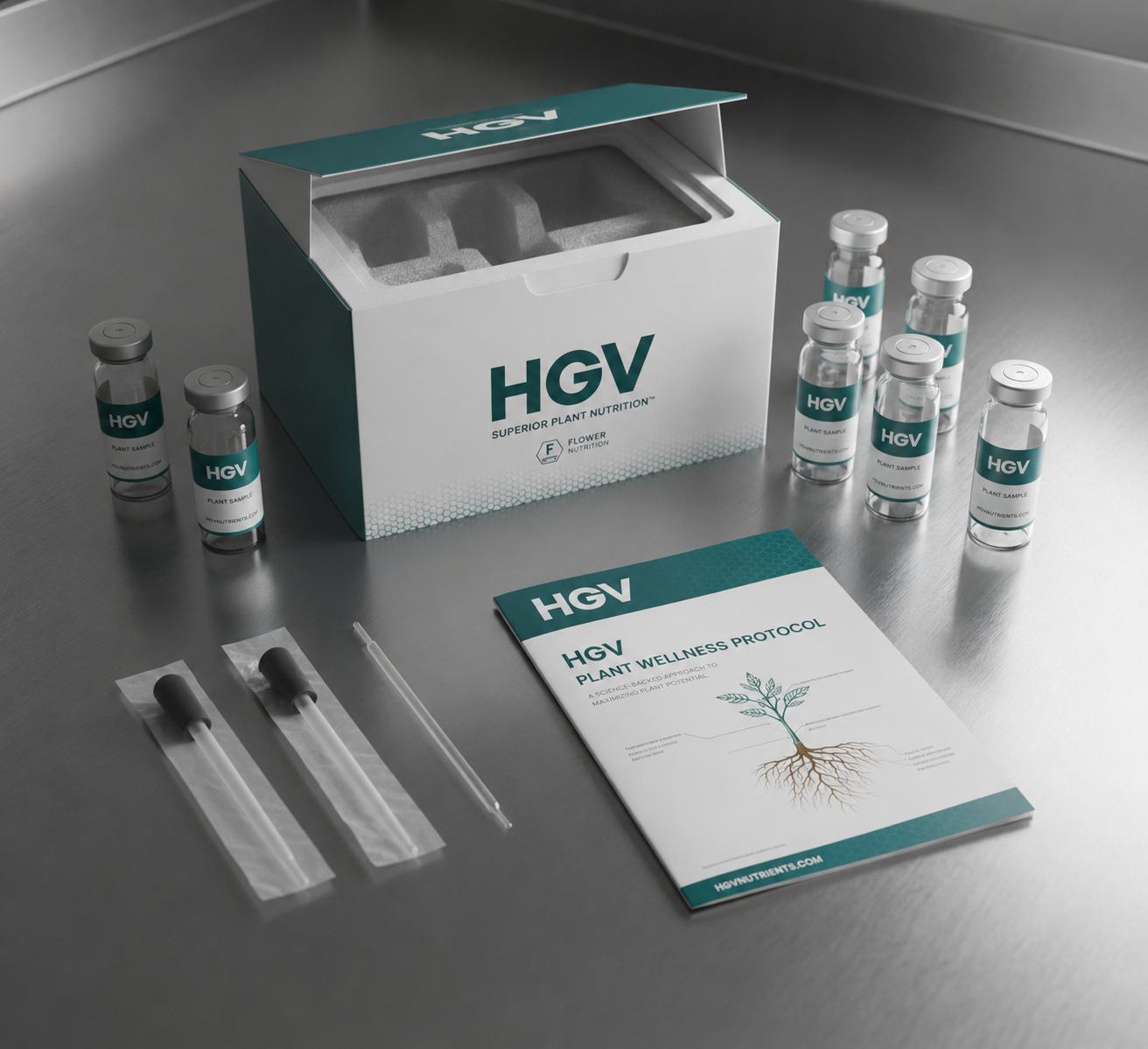
Good Decisions Start With Good Data
HGV partners with Arvum Plant Labs to provide institutional-grade agricultural diagnostics with industrial speed.

Arvum Plant Labs utilizes double-blind sample control and state-of-the-art ICP-MS systems to measure exact parts per million (PPM) down to trace elements, ensuring your facility inputs match exactly what's inside the plant cell walls.
- Purpose-Built Plant AnalysisMethodologies calibrated precisely for commercial horticulture parameters, not standard field crops.
- Quality-Controlled ResultsRigorous standards ensure high repeatability, validating mass spectrometry curves continuously.
- Multiple Sample TypesSeamless handling for raw source water, nutrient runoffs, organic media, coco, rockwool, and fresh leaf tissue.
- Grower-Ready InterpretationNo complex charts left to translate alone. Built to feed directly into the custom HGV nutrient program.
A Report You Can Act On
HGV diagnostic sheets don't hide behind confusing graphics. We give you raw values, true targets, and direct agronomist suggestions.
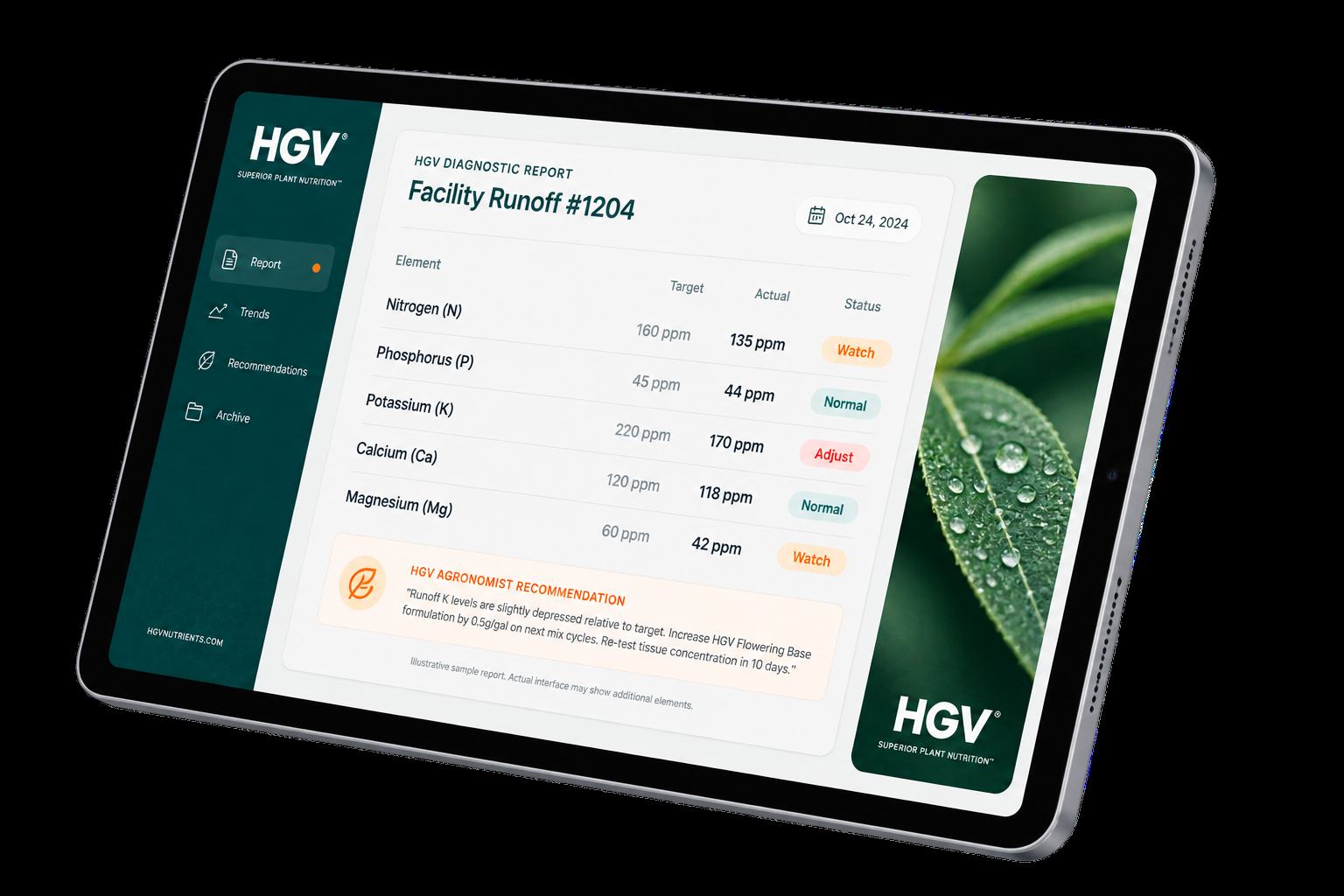
Detailed Mineral
Allocation Analysis
Our standard report presents your water inputs side-by-side with target concentrations. Together with an HGV agronomist, you'll optimize uptake ratios without triggering element lockout or toxicity.
- Easy-to-read mineral concentration vs targets
- Critical runoff EC indicators and dryback warnings
- Direct formula adaptation steps based on crop stage
Common Questions
Everything you need to know about setting up plant diagnostics, shipping biological materials, and using agronomist data.
How often should I run plant health diagnostics?
For commercial facilities, we recommend testing source water quarterly, and root zone media/tissue at 3 key developmental stages per run (Vegetative baseline, Week 3 of flower transition, and Week 6 peak bloom).
What export report formats do you support?
Every report is delivered as a PDF diagnostic sheet, with raw values also available as CSV so your team can drop them straight into existing tracking sheets.
Does HGV support commercial team collaboration?
Yes. Reports can be shared with multiple contacts at your facility, and your agronomist consultation can include your head grower, cultivation manager, and ownership on the same call.
How is facility data and genetic privacy protected?
Samples are processed under double-blind control at the lab. Your results are never shared, published, or used in aggregate reporting without written permission.
Can I test organic soil or only hydroponic rockwool/coco?
Both. Our media panels handle living soil and organic amended mixes as well as coco coir, rockwool, and peat-based substrates.
Turn Your Next Question
Into Data
Don't guess what elements your system lacks. Order an easy HGV test kit today or contact an agricultural expert for guidance on custom commercial facility setups.